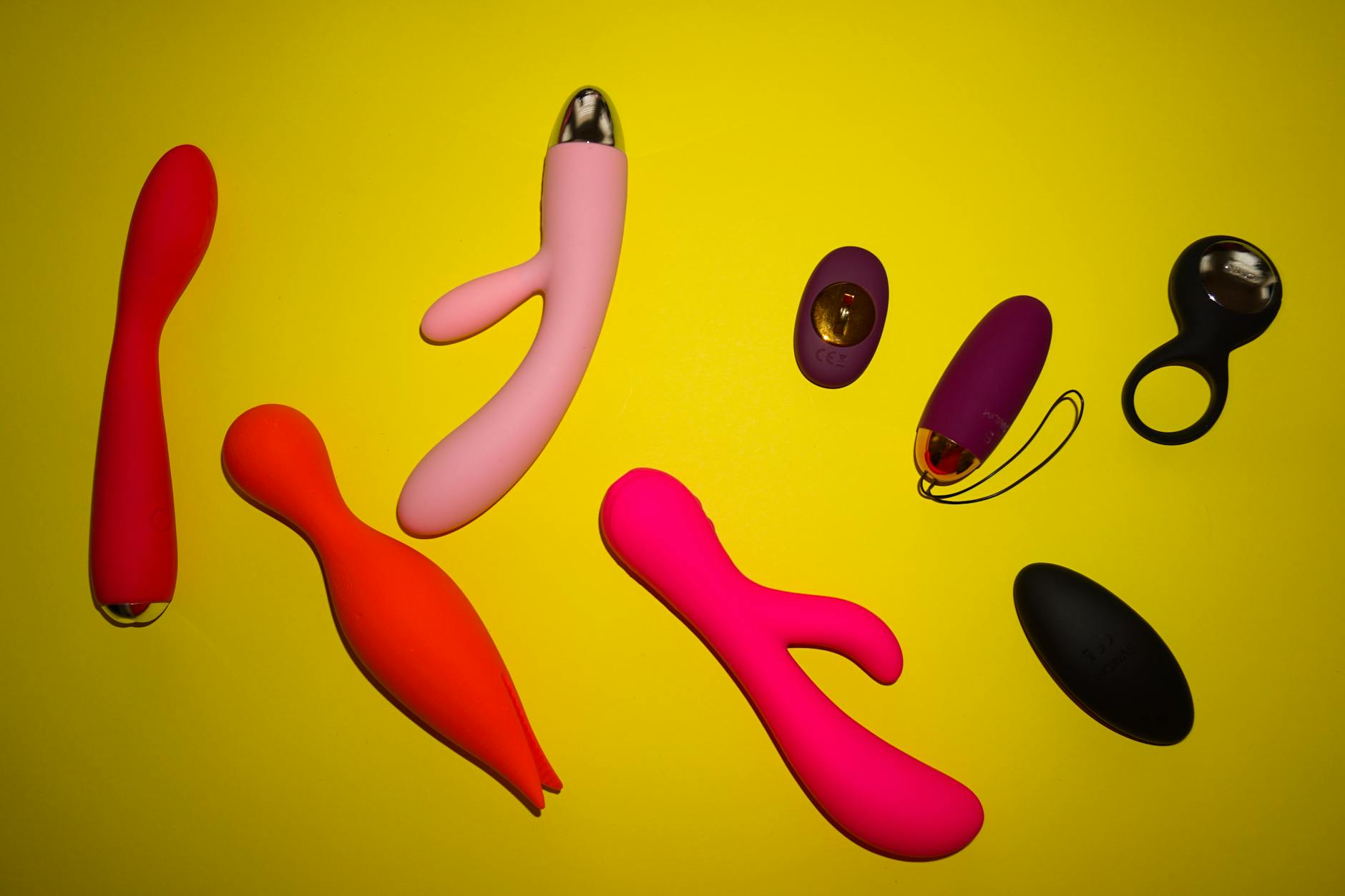
How to Use a Lemon Vibrator When Recovering From Vaginal Atrophy
Let's be real. Vaginal atrophy feels like a betrayal. Your body changes in ways that weren't on your radar, tissues thin out, and suddenly something that used to feel one way feels completely different. Or worse, it hurts.
Here's what nobody tells you clearly: vaginal atrophy doesn't mean your pleasure is gone. It means your approach to pleasure needs to shift. And honestly, that shift often leads to discovery.
What vaginal atrophy actually does to sensation
Vaginal atrophy (also called genitourinary syndrome of menopause or GSM) happens when estrogen drops. This isn't just about lubrication. The tissue itself thins. The vaginal walls lose elasticity. The tissue becomes more fragile, more easily irritated. Blood flow changes, which means arousal takes longer to build.
What this means for you: direct penetration can feel uncomfortable or even painful. The vaginal opening becomes more sensitive to friction. Some people describe it as rawness or burning, sometimes even when partnered sex isn't on the table.
But here's the part they skip over in most medical conversations. The clitoris isn't affected the same way. Clitoral tissue remains thick and densely innervated. The nerve pathways stay intact. Which is why clitoral stimulation often feels clearer, more direct, and honestly more satisfying during atrophy recovery.
Why lemon vibrators work so well for this stage
A clitoral vibrator like the Lem operates differently than penetrative toys. It uses suction and pulse patterns that stimulate external tissue without friction, without pressure against delicate vaginal walls, and without requiring the kind of sustained arousal that atrophy makes harder.
Three reasons this matters:
1. Zero friction. Suction-based clitoral vibrators create stimulation through gentle air pulses. Your skin doesn't move against anything rough. For tissue that's already irritated or thinned, this is everything.
2. Faster arousal. Because you're targeting the clitoris directly, you don't need 20 minutes of general arousal to reach pleasure. Some people find they reach orgasm in 5 to 8 minutes with a lemon vibrator, even during atrophy recovery.
3. Pelvic floor flexibility. Using a clitoral vibrator means your pelvic floor can stay relaxed. You're not tensing around pressure or discomfort. A relaxed pelvic floor actually helps tissue recover faster and reduces the sensation of tightness that often comes with atrophy.
Starting safely: the first weeks
If you're brand new to vibrators or returning after a long break due to atrophy, start low and slow.
First session: exploration only. Use the Lem on the lowest setting (Pattern 1 or 2). Don't aim for orgasm. Just learn how your clitoris responds right now, in this moment, with this changed tissue. Spend 3 to 5 minutes. You might feel nothing, or you might feel a lot. Both are normal.
Lubrication is mandatory, even though you're not penetrating. Your external tissue is thinner too. Water-based lube between the vibrator head and your skin prevents micro-abrasions and makes the whole experience gentler. This isn't optional.
Warm up first. Take a warm bath or use a heating pad on your lower belly for 10 minutes before. Warmth increases blood flow to the area, which speeds arousal and makes tissue more receptive. This simple step reduces discomfort by half.
Stop if anything hurts. Sharp pain is your system saying something's wrong. Mild pressure or sensitivity is normal during recovery. Know the difference.
Building toward pleasure: weeks two through four
Once you've had a few low-intensity sessions without pain or irritation, you can experiment.
Increase pattern variety, not intensity. Instead of just Pattern 1, try Pattern 3 or 4. Different rhythm patterns activate different nerve clusters. What feels dull on one pattern might feel amazing on another. Your nervous system is waking up.
Extend your sessions to 10 to 15 minutes. Longer contact time helps your body remember what arousal feels like. If you reach orgasm, fantastic. If not, that's fine too. The goal is rebuilding the neural pathways, not achieving a specific outcome.
Pay attention to your cycle. If you still menstruate or have hormonal shifts, your tissue will respond differently depending on the week. During the first half of your cycle, when estrogen is slightly higher, you might have more sensation and less discomfort. Atrophy recovery isn't linear day to day.
Communicate with your partner if you have one. "I'm using a clitoral vibrator to help my tissue recover" is a complete sentence. You don't owe explanation or justification. If your partner feels displaced or worried, remind them that this is about your body's healing, not about them. In fact, many couples find that solo time with a vibrator gives people language for what feels good, which translates into better partnered sex later.
When to add medical support
If four weeks of gentle use hasn't reduced pain or increased sensation, talk to your doctor. Vaginal atrophy is treatable.
Topical estrogen creams (Vagifem, Estrace, Premarin) work incredibly fast. You apply a tiny amount to the vaginal opening three times a week, and within two to three weeks, tissue begins to thicken. Most people see significant improvement in sensation and comfort. The systemic absorption is minimal, so it's safe even for people who can't take oral hormone therapy.
Vaginal moisturizers (Hyalo Gyn, Hyaluronic, Hyalogic) work differently. They're not hormone-based. They hydrate tissue continuously, which helps with comfort during sex and solo play. Many people use them daily alongside vibrator use.
DHEA vaginal inserts (Prasterone, Intrarosa) are another option. They convert to estrogen and testosterone locally, which rebuilds tissue thickness and increases sensation over weeks.
None of these are either/or decisions. You can use a topical estrogen cream and a lemon vibrator. You can use a vaginal moisturizer and clitoral patterns. The combination often works faster than either alone.
What to expect as you recover
Recovery isn't a straight line. You'll have better days and harder days. That's okay.
Some people notice changes in two weeks. Others take two months. Hormonal factors, stress levels, blood pressure meds, and antihistamines all affect tissue thickness. If you're on medications that dry you out (antihistamines, SSRIs, some blood pressure meds), your timeline will be longer. That doesn't mean you won't recover. It means patience is essential.
Many of my clients report that once they get through atrophy recovery, their orgasms feel different. Sharper sometimes. More localized. For some people, clitoral orgasms during recovery become their preferred sensation, even after tissue thickens again. That's worth noting.
If you had partners before atrophy, they might notice texture changes too. Tissue that thickens up is slightly less elastic at first. Some partners find that exciting. Some partners need reassurance that texture change is part of healing, not a sign something's wrong. Clarity here prevents a lot of weird tension.
The practical setup that actually works
Honestly though, the biggest factor in sticking with recovery is making it easy.
Keep lube and your vibrator on your nightstand. Not in a drawer. Right there. Friction of access kills motivation faster than anything else.
Use the vibrator the same time each day if possible. Morning shower, after stretching, before bed. Routine builds the neural pathway faster than random sessions.
Track what you notice. Not obsessively, but maybe in your phone notes. "Pattern 2 felt clearer today," or "First session without micro-pain in three weeks." This isn't data collection. It's evidence that your body is healing, which helps your brain stay hopeful.
Remember that pleasure during recovery looks different. You might not reach orgasm every time. You might need way more lube than you used to. You might notice sensation comes and goes. None of that means something's broken. It means your tissue is reorganizing.
Vaginal atrophy is common enough that every gynecologist has seen it hundreds of times. It's treatable. It's temporary. And a clitoral vibrator like the Lem is often the gentlest, most effective way to rebuild sensation while you're recovering.
People also ask
Can I use a lemon vibrator if my vaginal atrophy is severe?
Yes, but start with Pattern 1 on the lowest settings and use plenty of water-based lubricant. If penetration is painful, skip it completely and focus on clitoral stimulation only. If any part of using a vibrator triggers pain, pause and check with your doctor. Severe atrophy sometimes needs topical estrogen therapy before vibrator use feels comfortable. There's no race here.
How long does it take to see improvement in sensation with a lemon vibrator?
Most people notice shifts in two to four weeks of consistent use. Some feel changes in days. It depends on the severity of your atrophy, whether you're using medical treatments alongside the vibrator, your stress level, and your overall health. Healing tissue needs time. Be patient with yourself.
Should I use a vibrator if my doctor prescribed topical estrogen?
Absolutely. In fact, they often work together beautifully. The topical estrogen rebuilds tissue structure. The vibrator increases blood flow to the area and reminds your nervous system how to feel pleasure. Most doctors will support both if you mention it. And if yours doesn't, find one who will.
Will using a lemon vibrator make my atrophy worse?
No. Gentle clitoral stimulation actually increases blood flow, which supports tissue health. The only way vibrator use could trigger a problem is if you're using pressure or friction that causes micro-tears, which is why we emphasize low settings, lubrication, and listening to pain signals. Treat the tissue gently, and it will respond well.
Can my partner help with recovery using a vibrator?
Yes, if you want them to. Some people find partnered use feels more connected. Others prefer solo recovery time. There's no right answer. If your partner wants to help, clarify what you need: maybe they hold the vibrator while you relax, or they provide lube while you control it. Communication here prevents weird feelings down the line.
What if nothing changes after six weeks of consistent use?
Talk to your doctor about topical hormone therapy or other medical options. Six weeks of consistent effort should show some shift, even a small one. If it doesn't, something else might be going on. Antihistamines, certain antidepressants, blood pressure meds, and other medications can slow recovery. Your doctor might adjust something. Or topical estrogen might unlock progress that vibrator use alone couldn't. You don't have to white-knuckle through this.
You deserve this part too
Vaginal atrophy feels isolating because most conversations about it focus on partnered sex. But your solo pleasure matters just as much. Your body deserves to feel good. A lemon vibrator is one of the gentlest tools for rebuilding that sensation during recovery.
If you're navigating this right now, know that what you're experiencing is temporary and treatable. Your body is capable of healing. And pleasure is waiting on the other side.
For more support around intimate recovery during other life transitions, read about how to use a lemon vibrator when emotional intimacy feels disconnected and explore how to use a lemon vibrator when you have less natural lubrication.
Have questions about your recovery or want to talk through your specific situation? Reach out to our team. We're here to help.